
Skip to content
FREE SHIPPING ON ALL ORDERS $500 OR MORE

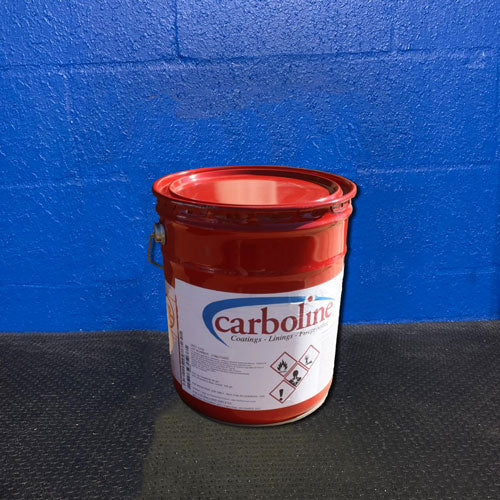
Carboline Paint Coating

Original price $292.27 - Original price $419.48
Original price
$292.27
$292.27 - $419.48
Current price $292.27
Carboline paint coatings come in many forms, and Carboline offers many popular primers, epoxies, and urethanes. 
Find our full collection of Carboline Coatings Here >

The following are three popular coatings:
 
Carbothane 134 HG is a high gloss, high-performance, thin-film polyurethane coating designed for exceptional durability and aesthetics.
This product offers superior weathering performance characteristics, making it suitable for various industrial and architectural applications.
PDS Sheet >

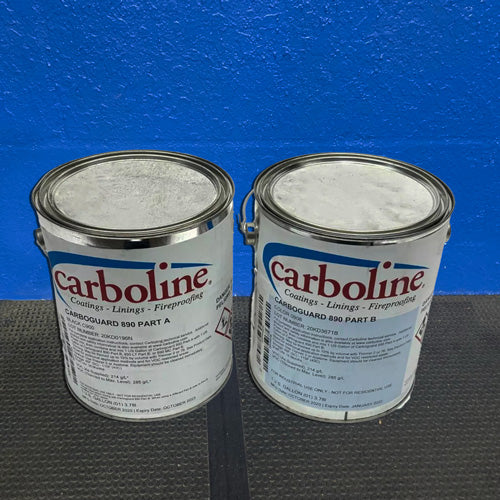
Carboguard 890 is a two-part epoxy coating known for its exceptional chemical resistance and versatility across industrial applications. This self-priming, high-solids, high-build epoxy mastic can be applied over existing coatings, tightly adherent rust, or adequately prepared steel, providing robust corrosion protection and abrasion resistance. This product is widely used in the marine, petrochemical, and water treatment industries, protecting structural steel, piping, tank exteriors (AWWA D102 Outside System #6 and #7 approved as an intermediate coat), and equipment exposed to aggressive chemicals or immersion conditions.
PDS Sheet >

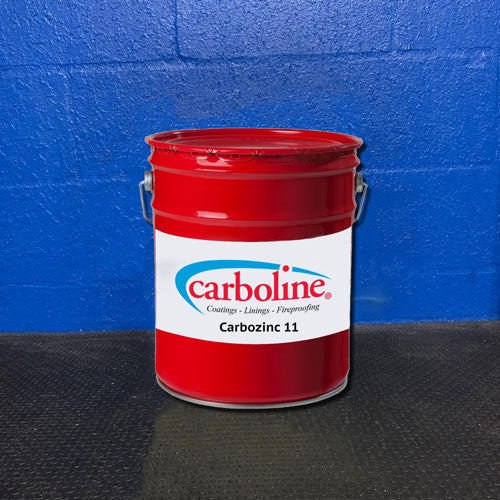
Carbozinc 11, a Carboline product, is an inorganic zinc-rich primer designed for superior corrosion protection of steel substrates. Comprising 85% zinc dust in a silicate binder, it provides galvanic protection by sacrificially corroding to safeguard the underlying steel. This two-component coating, blending a liquid silicate with zinc powder, cures into a durable, adherent film suitable for harsh environments, including marine, offshore, and industrial applications. It withstands temperatures up to 750°F (400°C) and offers exceptional longevity, often extending service life for decades when topcoated.

CARBOLINE CARBOGUARD, CARBOTHANE, & CARBOZINC PRODUCTS INCLUDE
PARTS A & B.

Contact our customer support today to discuss your project: 
(800) 567-5358

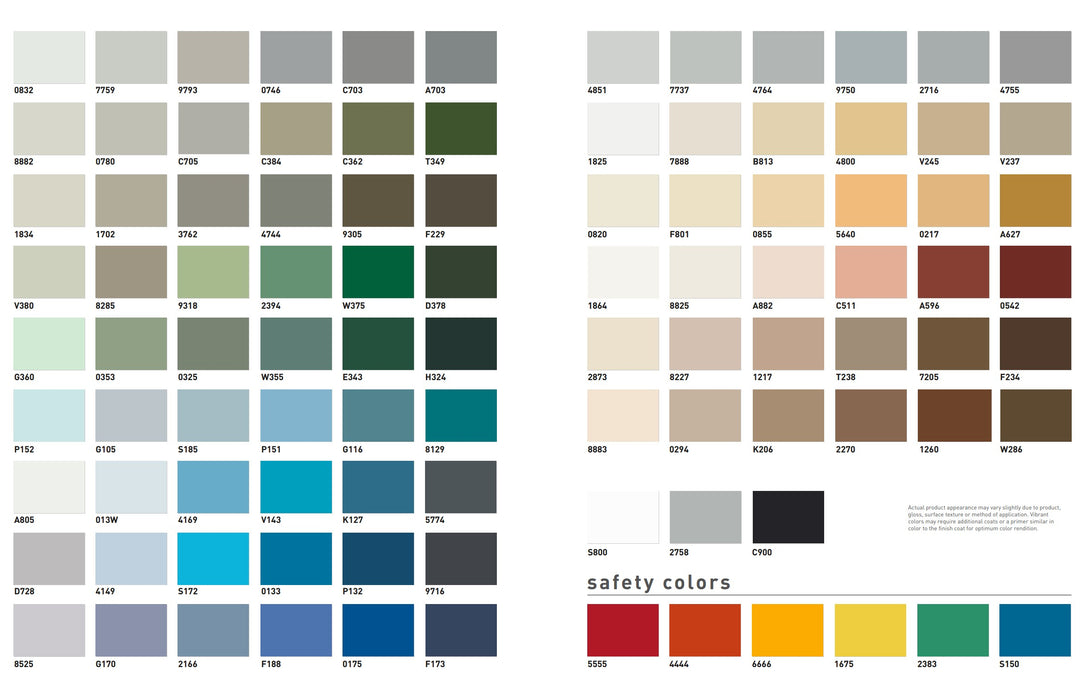
If you need a specific color not listed below, please indicate the desired color code in the order notes field during checkout. We can accommodate most requested colors; however, pricing may vary by color. The color chart in the product images is for reference. 
FEDERAL AND SAFETY COLORS NOT INCLUDED IN CUSTOM PRICING. CALL FOR PRICING IF FEDERAL OR SAFETY COLORS ARE NEEDED.
Product: Carbothane 134 HG 1-gal kit
Color: Black (C900)
Coverage Calculator

Carboline Paint Coating

High-Performance Industrial Coatings for Steel, Concrete & Infrastructure

"Carboline paint coating" isn't a single product — it's a family of industrial-grade primers, epoxies, polyurethanes, and mastics engineered by Carboline to protect steel and concrete in the toughest service environments. The three products featured on this page (Carbozinc 11, Carboguard 890, and Carbothane 134 HG) are among the most widely specified Carboline coatings worldwide, often used together as a complete three-coat system.

This guide explains what Carboline coatings do, the industries they serve, and how to pick the right product for your project. If you already know what you need, jump to the product picker below. Not sure? Use the 3-question selector or call our team at (800) 567-5358.

What Carboline Paint Coatings Do

Industrial coatings exist to make steel and concrete last longer in conditions that would otherwise destroy them — saltwater, chemicals, heat, abrasion, UV exposure, immersion. Carboline coatings are typically applied in a layered system, with each coat doing a different job:

🛡️

Corrosion Protection (Primer)

Zinc-rich primers like Carbozinc 11 provide galvanic protection — the zinc sacrificially corrodes to protect the steel underneath. The first line of defense on bare steel.

🧪

Chemical & Barrier Resistance (Intermediate)

Epoxy coatings like Carboguard 890 form a thick, chemically resistant barrier. Used as an intermediate over zinc primers or as a stand-alone system over rust and existing coatings.

☀️

UV & Weather Resistance (Topcoat)

Polyurethane topcoats like Carbothane 134 HG deliver color and gloss retention against UV exposure. The finish coat the world sees, and what keeps the system looking new.

🌡️

Heat & Temperature Resistance

Carboline coatings handle a wide range of service temperatures — Carbozinc 11 to 750°F continuous, Carboguard 890 to 300°F continuous. Suited for hot pipes, exhaust stacks, and high-heat assets.

💧

Immersion Service

Many Carboline products are rated for immersion in water, wastewater, fuels, or chemicals. Used to line tanks, pipelines, and submerged steel structures.

📋

Spec & Compliance Approvals

Carboline coatings carry approvals to SSPC Paint specifications, AWWA standards (potable water), MIL-PRF (military), USDA (food facilities), NSF/ANSI 61, and AIM VOC regulations.

Industries Served by Carboline Coatings

Carboline coatings are specified across virtually every heavy industry where corrosion protection matters. Common applications include:

Oil & Gas

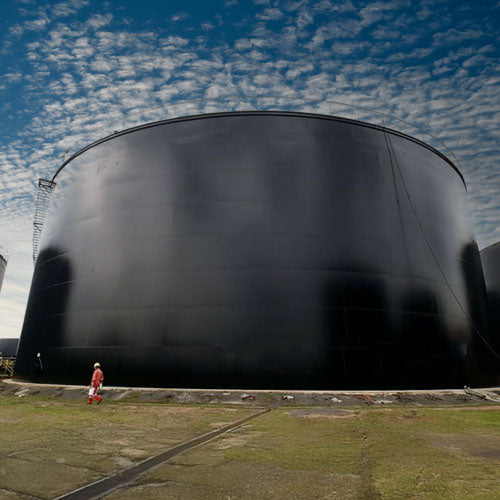
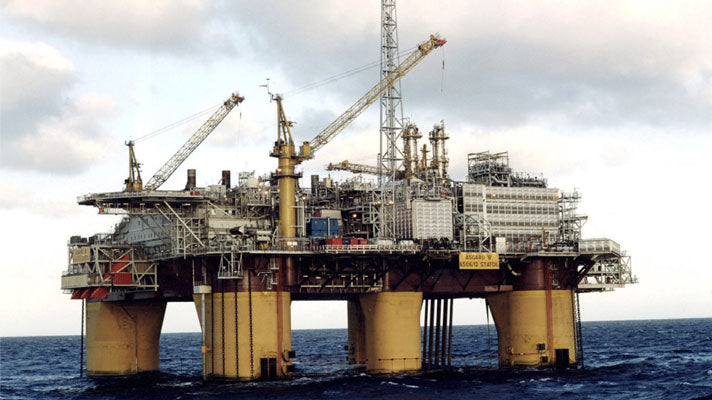
Refineries, pipelines, storage tanks, offshore platforms

💧

Water & Wastewater

Treatment plants, clarifiers, water towers, sewer infrastructure

Marine & Offshore

Ship hulls, piers, pilings, splash zones, ballast tanks

🌉

Bridges & Infrastructure

Steel bridges, transmission towers, highway structures

Power Generation

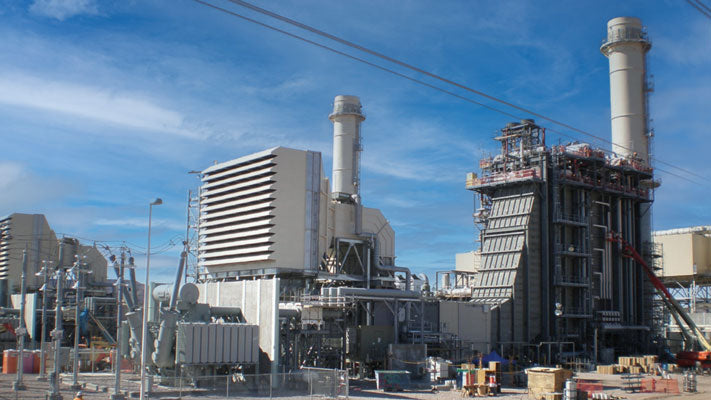
Boilers, stacks, FGD systems, transmission steel

🏭

Pulp, Paper & Mining

Process tanks, conveyors, mill structures, slurry equipment

🍽️

Food & Beverage

USDA-inspected facilities, process equipment, structural steel

🏗️

Commercial & Architectural

Structural steel, parking decks, exposed-to-view systems

🚂

Rail & Transportation

Railcars, trailer chassis, conveyors, equipment OEM

🛢️

Petrochemical

Process plants, secondary containment, piping, vessels

🪖

Military & Government

MIL-PRF specifications, dock structures, fuel storage

🚜

Agriculture & OEM

Grain silos, fertilizer tanks, machinery, propane tanks

The 3 Most Common Carboline Coatings

These three products work together as a complete three-coat protective system — but each can also be used on its own depending on the project. Click any card to see the full product details, pricing, and order online.

Which Carboline Coating Do You Need? (3-Question Selector)

Use this quick guide to identify the right product. If your project involves more than one of these answers, you probably need a full system (all three working together) — and that's normal.

1 What is your substrate?

Bare blasted steel You need galvanic corrosion protection at the metal surface. Start with Carbozinc 11 as the primer.
Rusted or previously coated steel You need a surface-tolerant coating. Carboguard 890 applies over tightly adherent rust and existing coatings.
Already primed steel (system in progress) You need an intermediate or topcoat. Carboguard 890 as intermediate, then Carbothane 134 HG as topcoat.
Concrete or non-ferrous Carboguard 890 works on concrete and many non-ferrous substrates. Call us at (800) 567-5358 for specifics — we may have a better-fit product.

2 What is the service environment?

Exterior / UV exposure Your top coat must be UV-stable. Carbothane 134 HG won't yellow or chalk in sunlight.
Interior / sheltered / industrial UV resistance isn't required. Carboguard 890 alone may be sufficient as a finish.
Immersion or chemical contact You need an epoxy system. Carboguard 890 is rated for many immersion services — verify your specific chemicals via the PDS or call us.
High heat (above 200°F continuous) Standard epoxy/urethane systems will discolor. Use Carbozinc 11 uncoated (rated to 750°F) or call us for high-temp options.

3 What does your specification or aesthetic require?

Maximum corrosion life on steel Full three-coat system: Carbozinc 11 + Carboguard 890 + Carbothane 134 HG.
Specific spec (SSPC, AWWA, MIL, USDA) All three products carry industry approvals. Call (800) 567-5358 with your spec number and we'll confirm compatibility.
High-gloss appearance / architectural Topcoat is essential. Carbothane 134 HG delivers high gloss; for satin/low-sheen, see Carbothane 133 LV/LH/HB.
Lowest cost / fastest schedule A 2-coat system using Carboguard 890 as self-primer + finish may be enough. Skips the zinc primer when corrosion exposure is moderate.

🎯 Need a Different Carboline Product?

We stock dozens of Carboline coatings beyond the three featured here — Carbozinc 11 HS, Carbozinc 859, Carbothane 133 LV/LH/HB, Carboguard 60/893/635 VOC, Carbomastic 15, Bitumastic 300M, Ceram-Kote linings, fireproofing, and more.

View Full Carboline Collection ›

Still Not Sure? Our Team Can Help

💬 Talk to a coatings specialist

Picking the right industrial coating system depends on details that aren't always obvious — surface profile, dew point, specification compliance, recoat windows, ambient conditions. If you tell us about your project, we can match you to the right Carboline product (and the right kit size) before you order.

Frequently Asked Questions — Carboline Paint Coatings

What is Carboline paint coating?
Carboline is a global manufacturer of high-performance industrial coatings — primers, epoxies, polyurethanes, mastics, fireproofing, and tank linings — used to protect steel and concrete in industrial environments. "Carboline paint coating" generally refers to any of their protective coating products specified for tanks, bridges, pipelines, marine structures, refineries, water treatment plants, and similar infrastructure where long-term corrosion protection and chemical resistance are required.
What are the three most common Carboline coatings?
The three Carboline products featured on this page — Carbozinc 11 (inorganic zinc-rich primer), Carboguard 890 (epoxy mastic), and Carbothane 134 HG (polyurethane topcoat) — together form one of the most widely specified industrial coating systems in the world. Each can also be used independently depending on the project's needs.
Do I need all three coatings or just one?
It depends on the substrate, environment, and specification. A three-coat system gives maximum corrosion protection and is standard for bridges, offshore platforms, and severe-service infrastructure. A two-coat system (Carboguard 890 self-primed + Carbothane 134 HG topcoat) is common for less aggressive exposures. A single coat of Carboguard 890 alone is often used for interior industrial maintenance or overcoating existing systems. Use the 3-question selector above to identify the right approach.
How do I choose the right Carboline coating for my project?
Start by identifying the role: primer, intermediate, or topcoat. Then consider the substrate (bare steel, previously coated, concrete), service environment (atmospheric, immersion, UV, chemical, high heat), and any specifications you must meet (SSPC, AWWA, MIL-PRF, USDA, NSF/ANSI 61). The selector tool above walks through these decisions. When in doubt, call our team at (800) 567-5358 with your project details.
What industries use Carboline coatings?
Carboline coatings are used across oil & gas, water and wastewater, marine and offshore, bridges and infrastructure, power generation, pulp/paper/mining, food and beverage (USDA-inspected facilities), commercial and architectural construction, rail and transportation, petrochemical processing, military and government, and original equipment manufacturing (OEM). The same products often work across multiple industries because the underlying need — protect steel and concrete from corrosion, chemicals, abrasion, heat, or UV — is consistent across them all.
Are Carboline coatings DIY-friendly or contractor-only?
Carboline coatings are engineered for professional industrial application. They require proper surface preparation (typically SSPC-SP6 or higher blast cleaning for primers), specific mix ratios, spray equipment (in most cases), and controlled application conditions. Most customers are commercial contractors, in-house maintenance teams, or industrial applicators. If you're new to industrial coatings, call us to discuss your project — we'll guide you toward the right product and let you know what equipment and prep your job requires.
What's the difference between Carbozinc 11 and Carbozinc 11 HS?
Both are inorganic zinc-rich primers from Carboline. Carbozinc 11 is the original formulation. Carbozinc 11 HS is the low-VOC version, meeting more stringent VOC restrictions while maintaining the same galvanic protection. Choose 11 HS for VOC-restricted jurisdictions or projects with environmental compliance requirements. Both are stocked at Material Warehouse.
Does Material Warehouse stock Carboline products I don't see listed?
Yes — we stock or can source most Carboline products. Common requests we fulfill include Carboguard 893, Carboguard 60, Carbomastic 15, Bitumastic 300M, Carbothane 133 LV/LH/HB, Carbozinc 859, Carbocrylic 3359 DTMC, and various Carboline thinners (No. 2, No. 10, No. 25, No. 33, 215, 225E, 236E, 243E). If you need something specific, browse the full Carboline collection or call us at (800) 567-5358.
How long do Carboline paint coatings last?
Service life depends on the system, environment, and surface preparation, but properly applied Carboline coating systems routinely deliver 20–30+ years of service on industrial steel in atmospheric exposure. Inorganic zinc primers like Carbozinc 11 are known to extend the service life of structural steel for decades when properly topcoated. Specific service-life claims should always be backed by the project specification, not generalized — call us for project-specific recommendations.

Compare products

{"one"=>"Select 2 or 3 items to compare", "other"=>"{{ count }} of 3 items selected"}

Select first item to compare

Select second item to compare

Select third item to compare

Compare